
The Evolution of Smartphones: What Comes After Apps?
The Evolution of Smartphones explores the future beyond apps, AI devices, smart ecosystems, and digital experiences shaping tomorrow
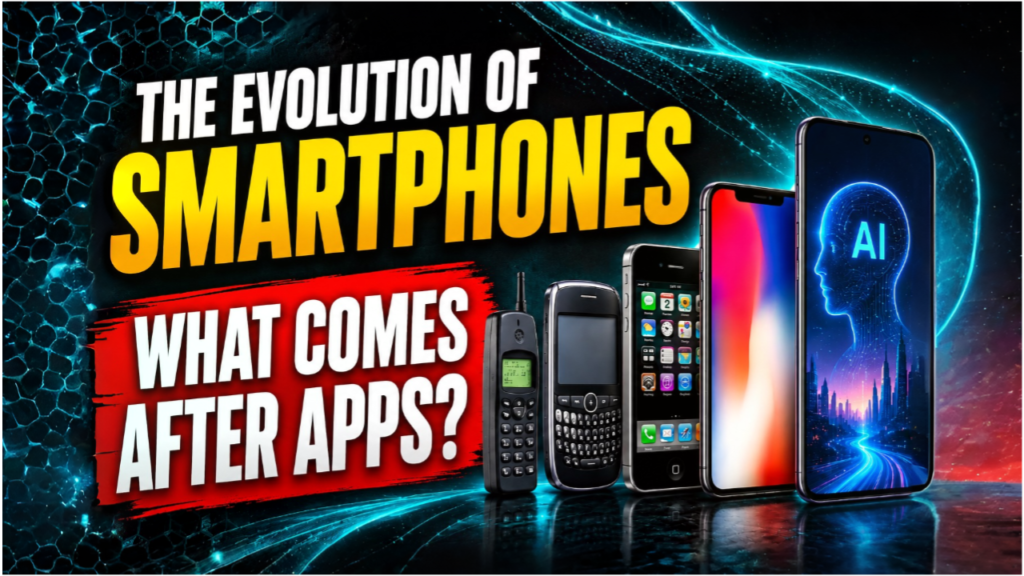
The Evolution of Smartphones has changed how people communicate, work, learn, and entertain themselves in the digital age. From simple calling devices to powerful AI-driven machines, smartphones have become the center of modern life. Today, almost every task can be completed through a phone, including banking, education, shopping, business management, and content creation. Platforms like and have also grown rapidly because creators now manage entire businesses directly from smartphones through platforms like . However, the biggest question in technology today is simple: what comes after apps?
For more than a decade, mobile apps have dominated the digital ecosystem. Social media apps, banking apps, gaming apps, productivity apps, and streaming apps transformed the way humans interact with technology. Yet the world is now entering a new phase where artificial intelligence, voice interfaces, wearable technology, augmented reality, and cloud computing may replace traditional app-based experiences. The future of smartphones may not depend on downloading dozens of applications anymore. Instead, intelligent systems could handle everything automatically with simple voice commands or predictive AI assistance.
From Basic Phones to Intelligent Ecosystems
The journey of smartphones began with devices focused mainly on communication. Early mobile phones were designed for calls and text messages. Then companies started introducing cameras, internet access, and touchscreens. Eventually, app stores completely revolutionized the industry.
The launch of modern smartphones created a digital economy worth billions of dollars. Businesses started optimizing services for mobile users, while creators discovered new opportunities online. Many entrepreneurs now even look for a YouTube channel for sale to grow faster in the creator economy because smartphones make video production, editing, and publishing easier than ever before.
As smartphones evolved, they became more than communication devices. They turned into digital wallets, entertainment hubs, personal assistants, fitness trackers, and business tools. The rise of cloud technology allowed users to store photos, files, and important data online instead of relying only on physical storage.
Artificial intelligence further accelerated this transformation. Smartphones now understand voice commands, predict typing patterns, organize images automatically, and recommend content based on user behavior. AI-powered assistants are becoming increasingly capable of replacing traditional navigation through apps.
This shift is important because users are beginning to experience “app fatigue.” Many people install dozens of apps but regularly use only a few. Managing notifications, passwords, updates, and subscriptions has become overwhelming. As a result, technology companies are investing heavily in systems that reduce dependence on traditional applications.
The Rise of AI and Voice-Driven Experiences
Artificial intelligence is expected to become the next major interface after apps. Instead of opening separate apps manually, users may simply talk to their devices naturally. AI assistants could book appointments, order food, edit videos, manage finances, and control smart homes without requiring multiple app downloads.
For content creators and digital entrepreneurs, this evolution could significantly impact online businesses. Many people who buy monetized YouTube channel assets today understand that future audiences will consume content differently through AI-curated feeds and voice-based discovery systems.
Technology companies are already building AI systems capable of performing complex tasks through conversational commands. Rather than opening a ride-sharing app, entering a location, and selecting payment details, users may simply say, “Book me a ride home,” and the AI will handle everything automatically.
Wearable devices are also influencing this future. Smart glasses, smartwatches, and AI pins aim to reduce direct smartphone usage entirely. Instead of staring at screens constantly, users may interact with invisible digital layers integrated into everyday life.
Augmented reality and mixed reality technologies could eventually replace traditional app interfaces with immersive digital environments. Imagine walking through a city while receiving live navigation directions directly in your field of vision instead of checking maps repeatedly on your phone screen.
At the same time, cloud computing is making devices less dependent on local hardware power. Future smartphones may become thinner, lighter, and more energy-efficient because heavy processing tasks can happen in the cloud rather than on the device itself.
The creator economy is another major area influenced by smartphone evolution. Entrepreneurs searching for a monetized YouTube channel for sale increasingly rely on mobile tools for analytics, content editing, and audience engagement. Smartphones have become production studios in people’s pockets, enabling creators to build global businesses from anywhere.
What Could Replace Traditional Apps?
The future beyond apps may involve multiple technologies working together seamlessly. AI agents are among the strongest possibilities. These systems could act independently on behalf of users, completing tasks automatically based on habits, preferences, and routines.
For example, instead of opening a weather app, calendar app, and travel app separately, an AI assistant may automatically inform users about traffic conditions, weather delays, and schedule adjustments before they even ask. This creates a more proactive digital experience rather than a reactive one.
Another possibility is decentralized computing. Blockchain-based technologies may allow users to access services securely without relying heavily on centralized applications. Digital identity systems, secure payments, and online ownership may become integrated directly into operating systems.
Gesture-based computing may also grow in popularity. Future devices could recognize hand movements, facial expressions, or eye tracking as input methods. This would make smartphone interaction faster and more natural.
Super apps are another emerging trend. Instead of using many separate applications, users may rely on one ecosystem handling messaging, shopping, banking, entertainment, transportation, and work together. Some regions already show strong adoption of this model.
As digital business continues expanding, many entrepreneurs still consider the best platform to buy YouTube channel opportunities because audience ownership remains extremely valuable in a rapidly changing technological landscape. Smartphones continue playing a critical role in helping creators manage communities, produce videos, and analyze performance metrics.
Privacy and security will also shape the next generation of smartphones. Modern users are increasingly concerned about data collection and surveillance. Future systems may prioritize local AI processing, encrypted communication, and privacy-first interfaces.
Battery technology is expected to improve dramatically as well. Researchers are exploring advanced materials capable of charging faster and lasting longer. Flexible displays and foldable devices may become mainstream, creating entirely new user experiences.
The smartphone itself may eventually become invisible in daily life. Instead of holding a physical device constantly, users may interact with distributed smart systems integrated into homes, vehicles, clothing, and public spaces.
The Future of Smartphones and Human Connection
Even as technology evolves beyond apps, smartphones will likely remain central to human communication for years to come. However, their role may shift from being the primary interface to becoming part of a broader intelligent ecosystem.
Future smartphones could function more like AI companions than tools. They may understand emotions, predict needs, and adapt interfaces based on behaviour patterns. Personalized computing experiences will become increasingly advanced.
Businesses must also prepare for this transformation. Digital marketing strategies, content distribution, and online engagement methods will continue evolving alongside smartphone technology. Many creators exploring a trusted Platform to buy YouTube channel opportunities understand the importance of adapting early to technological shifts and changing audience behaviour.
The gaming industry may also transform dramatically through cloud gaming and augmented reality experiences. Instead of downloading massive games, users could instantly stream immersive experiences through lightweight devices connected to powerful cloud servers.
Education and healthcare sectors will benefit significantly from next-generation smartphone technology. AI tutors, remote diagnostics, virtual classrooms, and wearable monitoring systems could become part of everyday life. Smartphones may serve as gateways connecting users to intelligent digital ecosystems focused on improving productivity and well-being.
At the same time, challenges remain. Increased AI integration raises ethical concerns related to privacy, misinformation, and automation. Society must carefully balance innovation with responsible technological development.
The smartphone industry itself is becoming more competitive. Companies are racing to create devices powered by AI-first operating systems, advanced chips, and immersive user experiences. Foldable phones, holographic displays, and voice-first interfaces may define the next era of personal technology.
Consumers are also demanding more sustainable technology. Future smartphone production may focus heavily on eco-friendly materials, recyclable components, and longer-lasting devices to reduce electronic waste globally.
Despite these changes, one thing remains certain: smartphones will continue evolving as extensions of human capability. They will become smarter, more integrated, and increasingly invisible in daily interactions. The next generation of technology may move beyond the app economy entirely, replacing it with seamless AI-powered experiences designed around human intent rather than manual navigation.
As creators, entrepreneurs, and businesses adapt to this future, platforms like and will remain valuable for digital growth strategies through . Content creators especially need to stay connected with analytics and audience management tools available through as the smartphone ecosystem continues shifting toward AI-driven experiences and smarter digital interaction models.