
Can AI Replace Human YouTubers?
AI Replace Human YouTubers is changing content creation fast. Explore whether AI can truly replace creators or only support them
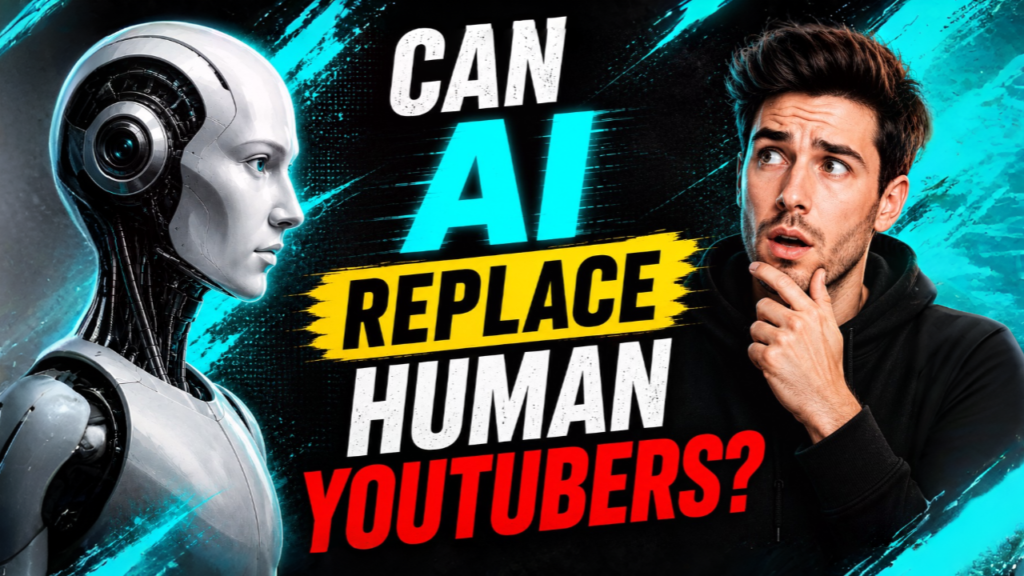
AI Replace Human YouTubers is one of the biggest questions in the creator economy today. From AI voiceovers and AI video editing to virtual influencers and automated scripts, technology is transforming YouTube faster than ever before. Many creators now use tools that generate thumbnails, titles, subtitles, and even complete videos within minutes. At the same time, creators who want to buy YouTube channel assets or creators planning to sell your YouTube channel projects are exploring marketplaces like vilyz.com to speed up growth and expand their online business opportunities.
The Rise of AI Content on YouTube
Artificial intelligence has moved beyond simple automation. Modern AI tools can now generate realistic voices, human-like avatars, advanced video edits, automatic captions, and complete storytelling structures. Channels powered almost entirely by AI are already gaining millions of views across niches such as motivation, finance, technology, facts, gaming, and education.
This shift happened because AI dramatically reduces production time. Earlier, creators needed cameras, editing software, lighting equipment, writers, and designers. Today, a single creator can manage an entire YouTube operation using AI-powered platforms. This efficiency is one reason why many investors now search for a YouTube channel for sale rather than starting from zero.
AI tools also help creators publish consistently. Consistency has always been one of the biggest factors behind YouTube growth. Channels that upload frequently usually receive better audience engagement and stronger algorithm support. AI allows creators to maintain this consistency without building large teams.
However, while AI improves productivity, it still struggles with one major thing: authentic human connection.
Why Human Creators Still Dominate
The biggest strength of human YouTubers is emotional relatability. Audiences connect with personalities, experiences, emotions, humor, failures, and unique perspectives. A human creator can share personal stories, react naturally to events, and build trust through authenticity.
Even the most advanced AI-generated videos often feel robotic after long viewing sessions. They may provide information, but they rarely create deep emotional loyalty. Subscribers usually stay connected to creators because they admire the individual behind the content, not just the content itself.
This is especially visible in niches like vlogging, interviews, lifestyle, commentary, podcasts, and live streaming. These categories depend heavily on personality-driven engagement. AI can imitate human speech patterns, but it cannot fully replicate spontaneous human reactions or emotional depth.
Many businesses looking to buy monetized YouTube channel properties understand this reality. Channels with loyal communities and recognizable personalities usually hold stronger long-term value compared to fully automated AI channels.
Another important factor is trust. Audiences can often detect when content lacks originality or genuine experience. Human creators build trust gradually through years of interaction, consistency, and transparency. AI can support this process, but replacing it entirely remains difficult.
How AI Is Transforming the Creator Economy
Although AI may not fully replace creators, it is already reshaping the entire YouTube ecosystem. Many successful creators now operate hybrid workflows where AI handles repetitive tasks while humans focus on creativity and strategy.
For example, AI tools now help with:
- Video scripting
- Voice generation
- Subtitle creation
- Thumbnail concepts
- SEO optimization
- Background music generation
- Automatic translations
- Content repurposing
This transformation has lowered the barrier to entry for new creators. Someone with limited technical skills can now launch a professional-looking YouTube channel within days. As a result, competition on YouTube is increasing rapidly.
Because of this competition, creators are also exploring smarter business models. Some entrepreneurs purchase already established channels instead of building audiences from scratch. This growing demand has increased interest in monetized YouTube channel for sale listings across creator marketplaces.
At the same time, AI-generated channels have created concerns about originality. Thousands of nearly identical videos now flood YouTube daily. Many channels rely on the same AI voices, similar scripts, and repetitive visuals. This content saturation may eventually push audiences toward more authentic human-centered creators again.
The future likely belongs to creators who combine AI efficiency with genuine human creativity.
Can Virtual Influencers Replace Real YouTubers?
Virtual influencers are another major development in the AI space. These are digital personalities created using artificial intelligence, animation, or CGI technology. Some virtual influencers already have millions of followers on social media platforms.
Brands like virtual influencers because they are controllable, scalable, and available 24/7. They never age, never create controversies unless designed to, and can produce content continuously.
However, virtual influencers still face limitations on YouTube. Long-form content requires emotional engagement, storytelling depth, and community interaction. While virtual characters may succeed in entertainment or gaming niches, replacing real human creators across all categories is unlikely in the near future.
Audiences still value real experiences. Travel creators, fitness experts, entrepreneurs, educators, and vloggers connect through real-life struggles and achievements. AI-generated personalities cannot truly experience life events the way humans do.
This balance between automation and authenticity will define the next generation of content creation.
The Business Side of AI YouTube Channels
AI is also changing YouTube from a creative platform into a scalable digital asset industry. More entrepreneurs now treat channels like online businesses rather than personal hobbies.
Creators who successfully grow channels often decide to scale, diversify, or exit by choosing to sell YouTube channel assets for profit. Buyers then optimize those channels using automation tools and AI workflows.
This market growth is why many people search for the best platform to buy YouTube channel opportunities securely. Buyers want verified analytics, monetization history, niche stability, and genuine audience engagement before investing.
Similarly, sellers want safe transactions and trusted marketplaces. That is why platforms like viLyz are gaining attention among digital entrepreneurs who want reliable creator business opportunities.
AI also helps investors manage multiple channels simultaneously. A single operator can now oversee script generation, uploads, thumbnails, analytics, and optimization across several channels using automation systems.
Despite these advantages, there are risks. Overdependence on AI-generated content may lead to copyright issues, repetitive material, audience distrust, or future algorithm penalties if platforms prioritize originality more aggressively.
Creators who balance AI tools with personal creativity will likely remain more sustainable in the long run.
The Future of Human Creativity on YouTube
The future is not a battle between humans and AI. Instead, it is a collaboration between both. AI will continue improving rapidly, and creators who ignore it may struggle to compete efficiently. But creators who rely only on automation may also struggle to build loyal audiences.
Human creativity still matters because storytelling is deeply emotional. People connect with authenticity, imperfections, humor, vulnerability, and unique perspectives. These qualities are difficult for machines to reproduce naturally.
AI will probably dominate repetitive and data-driven content categories first. Informational videos, listicles, automated news summaries, and basic tutorials can already be produced efficiently using AI systems. But highly personal, emotional, or experience-driven content will continue favouring human creators.
YouTube itself may also evolve. The platform constantly updates its algorithm to prioritize viewer satisfaction and engagement. If audiences prefer authentic creators, YouTube will naturally reward those creators more heavily.
At the same time, creators who strategically use AI tools can grow faster than ever before. The smartest creators are not rejecting AI; they are integrating it wisely.
This hybrid future is already visible today. Successful YouTubers use AI for efficiency while maintaining strong personal branding. They automate editing, optimize SEO, generate ideas faster, and improve productivity without removing the human element from their channels.
As competition grows, digital creators are also exploring smarter expansion strategies through a trusted Platform to buy YouTube channel assets and scale audience reach more efficiently.
Ultimately, AI Replace Human YouTubers may remain a popular debate for years, but the reality is more nuanced. AI will replace certain tasks, workflows, and low-effort content styles. However, replacing genuine human creativity entirely is far more difficult than many predictions suggest.
The creators who survive and thrive will be those who adapt early, learn AI tools intelligently, and continue building authentic audience relationships. Whether someone chooses to create from scratch, buy existing digital assets, or grow through marketplaces like viLyz, the future of YouTube will belong to creators who combine technology with human storytelling.
As YouTube continues evolving, creators should monitor analytics, audience behavior, and performance trends directly through https://studio.youtube.com/ while building sustainable strategies for long-term success. For entrepreneurs looking to buy YouTube channel opportunities or creators wanting to sell your YouTube channel professionally, platforms like vilyz.com are becoming increasingly important in the growing creator economy.